
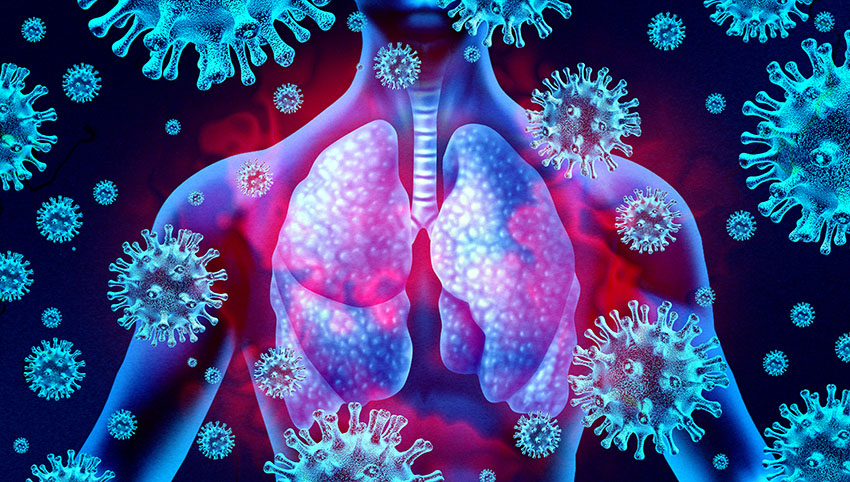

Understanding Disease: Definition and Scope
A disease is a condition that impairs normal functioning of the body or mind, resulting in specific symptoms and signs. Diseases can affect any organ or system and vary in severity from mild to life-threatening. Understanding diseases is fundamental to healthcare, public health, and personal wellbeing. Diseases are broadly categorised into infectious and non-infectious types, and their impact extends beyond individual health, affecting social, economic, and environmental aspects.
The study of diseases encompasses their causes, mechanisms, prevention strategies, diagnosis, and treatment. Contemporary medicine relies on evidence-based approaches to manage diseases, reduce morbidity, and improve quality of life.
Types of Diseases
Infectious Diseases
Infectious diseases are caused by pathogenic microorganisms such as bacteria, viruses, fungi, and parasites. They can spread directly through physical contact or indirectly via air, water, or contaminated food. Key examples include:
- Bacterial Infections: Tuberculosis, pneumonia, and cholera.
- Viral Infections: Influenza, hepatitis, and COVID-19.
- Fungal Infections: Athlete’s foot, candidiasis.
- Parasitic Infections: Malaria, giardiasis, and schistosomiasis.
Prevention of infectious diseases often relies on hygiene, vaccination, vector control, and public health measures.
Non-Infectious Diseases
Non-infectious diseases are not caused by pathogens and cannot be transmitted between individuals. They include:
- Genetic Disorders: Conditions such as cystic fibrosis, sickle cell anaemia, and Huntington’s disease, caused by inherited genetic mutations.
- Chronic Diseases: Long-term illnesses like diabetes, hypertension, cardiovascular diseases, and chronic respiratory conditions.
- Autoimmune Diseases: Conditions where the immune system attacks healthy cells, including rheumatoid arthritis and lupus.
- Cancer: Abnormal cell growth leading to tumours that can invade tissues and spread throughout the body.
Causes of Disease
Biological Factors
Pathogens such as bacteria, viruses, and parasites are primary causes of infectious diseases. Genetic mutations or inherited traits can also predispose individuals to certain diseases.
Environmental Factors
Environmental conditions, including pollution, climate, and living standards, can contribute to disease development. Poor sanitation, contaminated water, and exposure to toxins increase susceptibility to infections and chronic illnesses.
Lifestyle Factors
Diet, physical activity, smoking, alcohol consumption, and stress levels significantly influence the risk of developing diseases. Obesity, sedentary behaviour, and unhealthy eating habits are strongly linked to chronic illnesses such as diabetes, cardiovascular disease, and certain cancers.
Age and Demographics
Certain diseases are more prevalent in specific age groups. For example, genetic disorders are often detected in childhood, while chronic illnesses and degenerative conditions are more common in older populations. Gender and ethnicity can also influence disease susceptibility due to genetic, hormonal, or sociocultural factors.
Symptoms and Diagnosis
Recognising Symptoms
Symptoms are subjective experiences reported by patients, while signs are objective indicators observed by healthcare professionals. Common symptoms across diseases include:
- Fever and fatigue
- Pain or discomfort
- Swelling, rashes, or skin changes
- Digestive disturbances
- Respiratory difficulties
Timely recognition of symptoms is critical for early diagnosis and effective treatment.
Diagnostic Techniques
Modern medicine employs a variety of diagnostic methods to identify diseases accurately:
- Laboratory Tests: Blood tests, urine tests, and cultures to detect pathogens, biochemical changes, and biomarkers.
- Imaging Techniques: X-rays, MRI, CT scans, and ultrasounds to visualise internal structures.
- Genetic Testing: Identifying mutations or hereditary risks.
- Biopsies: Examining tissue samples for abnormal cells or cancerous growths.
- Clinical Examinations: Physical assessment and medical history analysis to guide further investigations.
Treatment and Management of Diseases
Pharmacological Interventions
Medications are a cornerstone of disease management. They include:
- Antibiotics: Treat bacterial infections by inhibiting or killing bacteria.
- Antivirals: Manage viral infections, often by suppressing viral replication.
- Analgesics and Anti-Inflammatories: Relieve pain and reduce inflammation.
- Chronic Disease Medications: Insulin for diabetes, antihypertensives for high blood pressure, and statins for cholesterol management.
Surgical and Procedural Interventions
Surgery may be necessary for certain conditions, such as tumour removal, organ transplantation, or repairing structural abnormalities. Minimally invasive procedures and robotic-assisted surgery are advancing treatment precision and recovery times.
Lifestyle and Behavioural Management
Modifying lifestyle factors is crucial in preventing and managing diseases:
- Balanced nutrition to support immune function and metabolic health.
- Regular physical activity to improve cardiovascular, muscular, and mental health.
- Stress management techniques such as meditation, mindfulness, and counselling.
- Avoidance of harmful habits, including smoking, excessive alcohol intake, and sedentary behaviour.
Preventive Measures
Vaccination
Vaccines are vital in preventing infectious diseases by stimulating immune responses. Immunisation programs have significantly reduced the incidence of diseases such as polio, measles, and influenza.
Screening and Early Detection
Regular screenings enable early identification of diseases such as cancer, diabetes, and hypertension, improving treatment outcomes. Examples include mammograms, colonoscopies, and blood pressure monitoring.
Hygiene and Sanitation
Good personal and community hygiene prevents the spread of infectious diseases. Handwashing, safe food handling, and clean water supply are fundamental preventive measures.
Public Health Initiatives
Governments and organisations implement disease prevention strategies through health education, vaccination campaigns, vector control programs, and regulations on environmental hazards.
Emerging Trends in Disease Management
Precision Medicine
Precision medicine tailors treatment based on genetic, environmental, and lifestyle factors, enabling more effective therapies and minimising adverse effects.
Telemedicine and Digital Health
Telemedicine facilitates remote consultations, monitoring, and patient education, expanding access to care and improving chronic disease management.
Artificial Intelligence in Diagnosis
AI algorithms assist in early detection of diseases through pattern recognition in imaging, laboratory data, and electronic health records, enhancing diagnostic accuracy.
Global Disease Challenges
Diseases continue to pose challenges due to emerging pathogens, antibiotic resistance, and the burden of chronic illnesses. Climate change, urbanisation, and global travel contribute to the rapid spread of infections, necessitating coordinated international responses.
FAQs About Disease
What is the difference between infectious and non-infectious diseases?
Infectious diseases are caused by pathogens and can spread between individuals, while non-infectious diseases are not contagious and often result from genetics, lifestyle, or environmental factors.
How can lifestyle changes prevent disease?
Healthy diet, regular exercise, stress management, and avoiding harmful habits reduce the risk of chronic diseases, enhance immunity, and improve overall health.
Are vaccines safe and effective?
Yes, vaccines undergo rigorous testing for safety and efficacy. They protect against specific infectious diseases and contribute to herd immunity.
Can early detection improve disease outcomes?
Absolutely. Early detection allows timely treatment, prevents complications, and increases survival rates for many conditions, including cancer, diabetes, and cardiovascular diseases.
What role does genetics play in disease susceptibility?
Genetic factors can predispose individuals to certain conditions. Understanding family history and genetic testing can guide preventive measures and personalised treatment.
How do public health measures control disease spread?
Vaccination campaigns, sanitation initiatives, vector control, health education, and regulatory policies help reduce disease incidence and prevent epidemics.
Conclusion
Disease management requires a holistic approach that combines prevention, early detection, treatment, and lifestyle modification. Understanding the causes, symptoms, and interventions for both infectious and non-infectious diseases is essential for individuals and healthcare systems. Modern medical advancements, including precision medicine, telehealth, and AI diagnostics, are transforming disease management, offering more effective and personalised care. By integrating preventive strategies, evidence-based treatments, and public health initiatives, it is possible to mitigate disease impact, improve patient outcomes, and enhance global health resilience.

Comments are closed.