
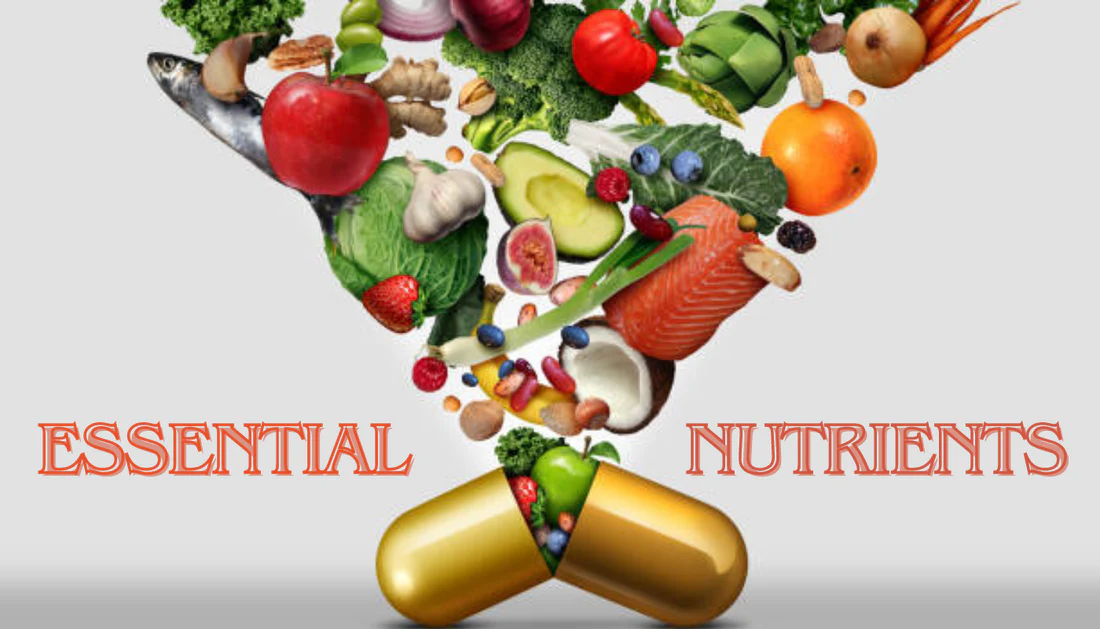

Vitamins are organic compounds the human body needs in small amounts to function properly. Even though they don’t provide energy like carbohydrates or fats, they play a critical role in growth, immunity, metabolism, and overall well-being. Because the body cannot produce most vitamins on its own, they must be obtained through diet or supplementation.
Understanding vitamins helps you make smarter food choices and avoid both deficiency and overconsumption, which can negatively affect health.
What Are Vitamins?
Vitamins are micronutrients required to support normal physiological processes. Each vitamin has a specific role, and a lack of even one can disrupt important body functions such as cell repair, hormone production, or immune defense.
They are generally classified based on how they dissolve in the body.
Types of Vitamins
Fat-Soluble Vitamins
Fat-soluble vitamins are stored in the body’s fatty tissues and liver. Because they accumulate over time, excessive intake may lead to toxicity.
Fat-soluble vitamins include:
-
Vitamin A – Supports vision, immune function, and skin health
-
Vitamin D – Essential for calcium absorption and bone strength
-
Vitamin E – Acts as an antioxidant, protecting cells from damage
-
Vitamin K – Plays a key role in blood clotting and bone health
Water-Soluble Vitamins
Water-soluble vitamins dissolve in water and are not stored in large amounts. Excess quantities are usually excreted in urine, so regular intake is important.
Water-soluble vitamins include:
-
Vitamin C – Supports immunity, collagen production, and wound healing
-
B-complex vitamins such as:
-
B1 (Thiamine) – Energy metabolism and nerve function
-
B2 (Riboflavin) – Cell growth and energy production
-
B3 (Niacin) – Supports digestion and nervous system health
-
B6 (Pyridoxine) – Brain development and red blood cell formation
-
B12 (Cobalamin) – DNA synthesis and nerve health
-
Why Vitamins Are Important
Vitamins influence nearly every system in the body. Without adequate levels, the body struggles to maintain balance and efficiency.
Key benefits of vitamins include:
-
Supporting a strong immune system
-
Promoting healthy skin, hair, and eyes
-
Assisting in energy production
-
Helping maintain strong bones and teeth
-
Reducing oxidative stress in cells
Long-term vitamin deficiencies may contribute to fatigue, weakened immunity, poor bone health, and chronic disease risk.
Natural Sources of Vitamins
A balanced diet is the best way to obtain vitamins in their most bioavailable form.
Common vitamin-rich foods include:
-
Fruits like oranges, berries, and bananas
-
Vegetables such as spinach, carrots, and broccoli
-
Whole grains and legumes
-
Dairy products and eggs
-
Fish, poultry, and lean meats
-
Nuts and seeds
Eating a variety of whole foods helps ensure you receive a broad spectrum of vitamins without relying heavily on supplements.
Vitamin Deficiency and Overconsumption
Vitamin deficiency can occur due to poor diet, absorption issues, or certain medical conditions. Symptoms may range from mild fatigue to serious health problems.
On the other hand, excessive intake—especially from supplements—can cause toxicity, particularly with fat-soluble vitamins. This is why balance matters more than megadoses.
Do You Need Vitamin Supplements?
Supplements can be helpful in specific cases such as pregnancy, aging, restrictive diets, or diagnosed deficiencies. However, they should not replace a healthy diet.
Before starting supplements, it’s wise to:
-
Evaluate dietary habits
-
Consider lifestyle and health conditions
-
Consult a qualified healthcare professional
Frequently Asked Questions (FAQs)
1. Can vitamins boost immunity on their own?
Vitamins support immune function, but they work best alongside a balanced diet, adequate sleep, exercise, and stress management.
2. Is it better to get vitamins from food or supplements?
Food sources are generally better because they provide additional nutrients like fiber and antioxidants that supplements lack.
3. Are multivitamins safe for daily use?
Most standard multivitamins are safe when taken as directed, but unnecessary use may lead to excess intake over time.
4. How do I know if I have a vitamin deficiency?
Common signs include fatigue, hair loss, frequent illness, or poor concentration. Blood tests can confirm deficiencies.
5. Can cooking destroy vitamins in food?
Yes, some vitamins—especially vitamin C and certain B vitamins—can be reduced by heat and prolonged cooking.
6. Are vitamins equally important for all age groups?
Yes, but vitamin needs vary by age, gender, and life stage such as childhood, pregnancy, or older adulthood.
7. Can too many vitamins be harmful?
Yes, excessive intake—especially of fat-soluble vitamins—can cause toxicity and should be avoided without medical guidance.

Comments are closed.