
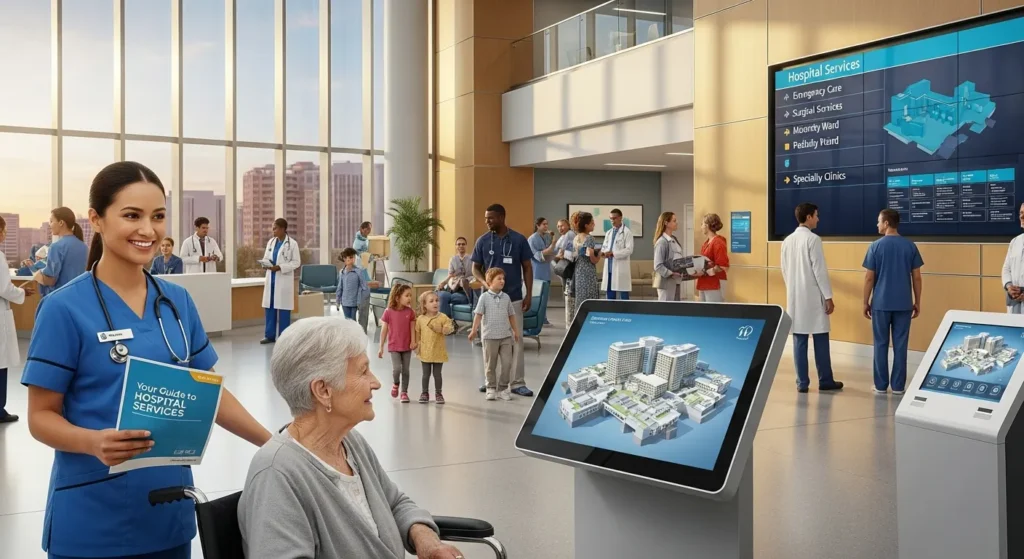

Understanding Clinics: Definition and Purpose
A clinic is a healthcare facility where patients receive medical treatment, consultations, and preventive care outside of a hospital setting. Unlike hospitals, clinics are generally smaller, focused on outpatient care, and designed to provide specialised or general medical services efficiently. Clinics serve as the first point of contact for most patients, providing essential screenings, diagnoses, and treatments that may prevent the need for more intensive hospital care.
Clinics can vary widely in their function, size, and specialisation. They may offer general healthcare services, such as primary care, vaccinations, and routine check-ups, or focus on specialised fields, such as dermatology, dentistry, physiotherapy, or mental health services. The flexibility of clinics allows them to address the healthcare needs of communities efficiently while often offering quicker access to care compared with hospitals.
Types of Clinics
Primary Care Clinics
Primary care clinics are the backbone of community health. They handle general medical concerns, routine check-ups, chronic disease management, and preventive healthcare. Physicians in primary care clinics, often referred to as general practitioners or family doctors, provide continuous care to individuals across different ages. Their responsibilities include:
- Monitoring chronic conditions such as diabetes or hypertension
- Conducting annual health screenings and physical exams
- Administering vaccinations and immunisations
- Offering lifestyle advice and health education
Specialised Clinics
Specialised clinics focus on specific areas of medicine to provide expert care. Examples include:
- Cardiology Clinics: Manage heart-related conditions and perform diagnostic tests such as ECGs and echocardiograms.
- Dermatology Clinics: Treat skin disorders, cosmetic concerns, and conduct procedures like mole removal or laser therapy.
- Dental Clinics: Offer oral health services including preventive care, restorative treatments, and orthodontics.
- Physiotherapy Clinics: Focus on rehabilitation, injury recovery, and improving physical mobility.
These clinics often house state-of-the-art equipment and specialists who provide targeted treatments, enhancing patient outcomes for specific medical concerns.
Walk-in Clinics and Urgent Care Centres
Walk-in clinics and urgent care centres provide immediate medical attention without requiring prior appointments. They are essential for treating minor injuries, infections, and acute illnesses. Their services usually include:
- Treatment of minor cuts, burns, and sprains
- Administration of vaccinations
- Basic diagnostic tests such as blood tests and X-rays
- Prescription of medications for common ailments
These clinics are designed to alleviate the burden on hospitals by handling non-life-threatening cases efficiently.
Community and Public Health Clinics
Community clinics aim to make healthcare accessible and affordable, often serving underprivileged populations. They provide preventive services, health education, maternal and child care, and chronic disease management. Public health clinics may also run screening campaigns, vaccination drives, and awareness programs to improve overall community health.
Technological Advancements in Clinics
Modern clinics increasingly integrate technology to improve patient care and streamline operations. Some of the latest innovations include:
Electronic Health Records (EHRs)
EHR systems store patient information digitally, making it easy for healthcare professionals to access medical history, lab results, and imaging reports. This reduces errors, improves coordination among providers, and allows for more informed decision-making.
Telemedicine Services
Telemedicine enables patients to consult healthcare professionals remotely through video calls or secure messaging platforms. Clinics offering telehealth services can provide consultations, follow-ups, and prescription management without requiring in-person visits, increasing convenience and accessibility.
Diagnostic and Imaging Technologies
Advanced diagnostic tools such as portable ultrasound machines, digital X-rays, and laboratory automation systems enable clinics to provide accurate, timely, and cost-effective testing. These technologies reduce patient wait times and improve diagnostic precision.
Patient-Centric Clinic Design
The design of a clinic plays a critical role in patient experience and workflow efficiency. Modern clinics focus on:
- Comfortable Waiting Areas: Ergonomic seating, calming décor, and clear signage reduce patient stress.
- Efficient Layouts: Logical placement of consultation rooms, laboratories, and treatment areas improves operational flow.
- Accessibility: Ensuring facilities are accessible for people with disabilities enhances inclusivity.
Staff Roles in Clinics
Clinics rely on a diverse team of healthcare professionals to provide comprehensive care. Key staff members include:
- Physicians: Diagnose and treat illnesses, manage chronic conditions, and refer patients to specialists when necessary.
- Nurses: Monitor patient health, administer medications, and provide education and support.
- Medical Assistants: Support clinical procedures, schedule appointments, and manage patient records.
- Administrative Staff: Ensure smooth operation of appointments, billing, insurance claims, and patient communication.
- Technicians: Operate diagnostic equipment, conduct laboratory tests, and assist in treatment procedures.
Clinic Operations and Management
Efficient clinic management ensures high-quality care and operational sustainability. Key aspects of clinic operations include:
Appointment Scheduling and Patient Flow
Modern clinics use digital appointment systems to reduce waiting times and manage patient flow. Online booking platforms allow patients to schedule consultations conveniently, while triage systems prioritise urgent cases.
Digital booking tools are only one part of maintaining reliable access to care. Clinics and hospital departments experiencing high call volumes can also use specialist services for appointment management, secure message handling and round-the-clock patient support; details of one such hospital communication service are available at https://cosmomed.com/
Billing and Insurance Management
Clinics handle complex billing processes, including insurance claims, co-pays, and direct payments. Efficient billing systems reduce administrative errors and improve patient satisfaction.
Quality Control and Compliance
Clinics must adhere to healthcare regulations, safety protocols, and quality standards. Regular audits, staff training, and patient feedback systems help maintain high-quality care and regulatory compliance.
Benefits of Clinics
Accessibility and Convenience
Clinics are usually located within communities, making healthcare accessible without long travel. Extended operating hours in some clinics enhance convenience for working individuals and families.
Cost-Effective Care
Outpatient clinics often provide affordable alternatives to hospital care for routine check-ups, minor treatments, and preventive care. This reduces overall healthcare costs for patients and insurers.
Preventive and Early Intervention Services
Clinics play a pivotal role in early disease detection through screenings, immunisations, and lifestyle counselling. Early intervention can prevent disease progression and reduce long-term health complications.
Continuity of Care
Primary care clinics maintain long-term relationships with patients, ensuring consistent monitoring, follow-ups, and personalised treatment plans. Continuity of care improves health outcomes and patient satisfaction.
Challenges Facing Clinics
Staffing Shortages
Finding qualified healthcare professionals, especially in rural or underserved areas, remains a challenge for clinics. This can lead to increased workloads and potential delays in patient care.
Financial Sustainability
Balancing affordable care with operational costs, including staff salaries, equipment, and facility maintenance, can be challenging. Clinics often rely on government support, insurance reimbursements, or patient fees to remain financially viable.
Technological Integration
While technology improves efficiency, integrating new systems requires investment, staff training, and ongoing maintenance. Smaller clinics may struggle to adopt advanced tools due to cost constraints.
Clinic Design and Infection Control
Maintaining strict hygiene standards and infection control protocols is critical, especially in clinics treating contagious diseases. Poorly designed spaces can increase infection risks and compromise patient safety.
Future Trends in Clinic Healthcare
Expansion of Telehealth
Telemedicine is expected to become a standard feature in clinics, offering remote monitoring, virtual consultations, and digital health tracking tools.
AI and Data Analytics
Artificial intelligence will enhance diagnostics, predict patient risk, and support clinical decision-making, enabling clinics to provide more precise and personalised care.
Integrated Care Models
Clinics are moving towards integrated care, where multidisciplinary teams collaborate to manage patients’ physical, mental, and social health needs within one facility.
Sustainable Clinic Practices
Environmental sustainability is gaining importance in clinic design and operations, including energy-efficient lighting, waste management, and eco-friendly materials.
FAQs About Clinics
What services are typically offered at a clinic?
Clinics provide outpatient care, including general medical consultations, specialised treatments, diagnostic tests, preventive care, vaccinations, and minor procedures.
How is a clinic different from a hospital?
Clinics focus on outpatient services, often specialise in particular fields, and provide faster access to care. Hospitals manage more severe conditions, perform complex surgeries, and offer inpatient services.
Can clinics handle emergency cases?
While some urgent care clinics treat minor emergencies like sprains, cuts, and infections, severe emergencies should always be directed to hospitals equipped for critical care.
How do clinics maintain patient records securely?
Clinics use electronic health records (EHRs) to store patient information securely. These systems comply with healthcare privacy regulations and allow controlled access for authorised staff.
Are clinics cost-effective compared with hospitals?
Yes, clinics usually offer lower-cost alternatives for routine consultations, preventive care, and minor treatments, making healthcare more affordable for patients.
What role do clinics play in public health?
Clinics contribute to community health by providing preventive care, health education, vaccination programs, and early detection of diseases, reducing the overall burden on the healthcare system.
Conclusion
Clinics are essential pillars of modern healthcare, bridging the gap between hospitals and community needs. With diverse services, technological advancements, and patient-centred care, clinics enhance accessibility, affordability, and health outcomes. As healthcare continues to evolve, clinics will play an increasingly vital role in providing preventive, specialised, and integrated care, shaping the future of accessible healthcare for all.

Comments are closed.