

Understanding Dental Care: Definition and Importance
Dental care refers to the practices, treatments, and preventive measures aimed at maintaining the health of teeth, gums, and the entire oral cavity. Effective dental care is essential not only for a bright smile but also for overall health. Poor oral hygiene can lead to tooth decay, gum disease, and more severe health conditions such as cardiovascular disease, diabetes, and respiratory infections. Integrating proper dental care into daily routines ensures long-term oral health and contributes to better quality of life.
The modern approach to dental care is comprehensive, involving preventive, restorative, and cosmetic strategies. Preventive measures focus on avoiding oral diseases before they occur, restorative treatments address existing problems, and cosmetic procedures enhance the appearance of teeth and gums.
The Fundamentals of Dental Care
Daily Oral Hygiene Practices
Effective dental care begins with consistent daily practices that maintain oral hygiene. Key routines include:
- Brushing: Twice daily using fluoride toothpaste to remove plaque, prevent cavities, and reduce bacteria. Brushing should last at least two minutes and cover all surfaces of the teeth.
- Flossing: Once daily to clean between teeth and under the gumline, areas that a toothbrush cannot reach. This reduces the risk of gum disease and interdental cavities.
- Mouthwash: Using an antimicrobial or fluoride mouth rinse helps reduce plaque, strengthen enamel, and freshen breath.
- Tongue Cleaning: Scraping or brushing the tongue removes bacteria responsible for bad breath and contributes to overall oral hygiene.
Diet and Nutrition for Dental Health
Nutrition significantly influences oral health. A diet high in sugar and processed foods can accelerate tooth decay and gum problems, while a balanced diet promotes strong teeth and gums. Key nutritional considerations include:
- Calcium and Vitamin D: Essential for strong teeth and jawbones, found in dairy products, leafy greens, and fortified foods.
- Phosphorus: Works with calcium to maintain tooth enamel, available in fish, eggs, and nuts.
- Vitamin C: Supports gum health and prevents bleeding or inflammation, abundant in citrus fruits and vegetables.
- Limiting Sugars and Acidic Foods: Reducing intake of sweets, soft drinks, and acidic foods prevents enamel erosion and cavities.
Regular Dental Check-Ups
Routine dental visits are vital for preventive care. Dentists can identify issues early and provide treatments before problems escalate. Check-ups typically involve:
- Oral Examination: Detecting cavities, gum disease, and early signs of oral cancer.
- Professional Cleaning: Removal of tartar and plaque buildup that cannot be eliminated by brushing alone.
- X-Rays and Imaging: Used to diagnose hidden dental issues, such as impacted teeth or jawbone problems.
- Advice on Oral Hygiene: Dentists provide personalised guidance for brushing, flossing, and dietary habits.
Common Dental Issues and Their Management
Tooth Decay and Cavities
Tooth decay occurs when acids produced by bacteria erode enamel, leading to cavities. Preventive strategies include fluoride toothpaste, limiting sugary foods, and routine dental cleanings. Treatment often involves fillings, crowns, or root canal therapy for advanced decay.
Gum Disease (Periodontal Disease)
Gum disease ranges from gingivitis (mild inflammation) to periodontitis (severe gum damage). Symptoms include bleeding gums, bad breath, and tooth mobility. Effective management requires:
- Proper Oral Hygiene: Regular brushing and flossing.
- Professional Cleaning: Scaling and root planing to remove plaque and tartar.
- Medication: Antimicrobial rinses or antibiotics for infections.
Advanced cases may require surgical interventions to restore gum and bone health.
Tooth Sensitivity
Sensitivity occurs when enamel wears down, exposing dentin or nerve endings. Causes include acidic diets, aggressive brushing, or enamel erosion. Management includes using desensitising toothpaste, avoiding acidic foods, and protective dental procedures like fluoride varnishes.
Tooth Loss and Replacement Options
Tooth loss can result from decay, gum disease, or trauma. Modern dental care offers multiple replacement options:
- Dental Implants: Artificial roots that provide a permanent solution for missing teeth.
- Bridges: Fixed structures anchored to adjacent teeth to replace missing teeth.
- Dentures: Removable prosthetic devices for partial or full tooth loss.
Advanced Dental Care Techniques
Orthodontics
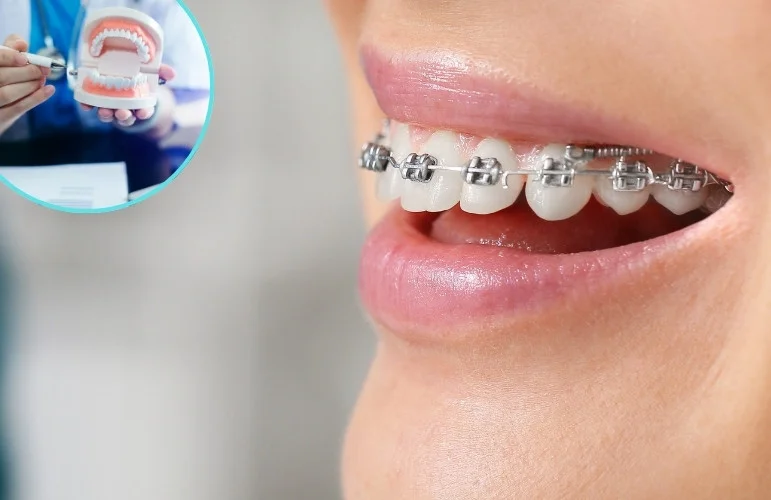
Orthodontic treatment corrects misaligned teeth and bite issues. Common methods include braces and clear aligners. Benefits extend beyond aesthetics, improving oral hygiene, reducing jaw strain, and preventing abnormal wear of teeth.
Cosmetic Dentistry
Cosmetic dentistry focuses on enhancing the appearance of teeth. Treatments include:
- Teeth Whitening: Removal of stains to achieve a brighter smile.
- Veneers: Thin shells covering teeth to correct imperfections.
- Bonding: Using resin to repair chipped or discoloured teeth.
Laser Dentistry
Laser technology provides precise treatment for soft tissue procedures, gum reshaping, and cavity removal. Benefits include reduced pain, faster recovery, and minimal invasiveness.
Preventive Measures for Lifelong Dental Health
Fluoride Treatments
Fluoride strengthens tooth enamel, making it resistant to decay. Dentists may provide topical fluoride applications in addition to fluoride toothpaste at home.
Sealants
Dental sealants are protective coatings applied to chewing surfaces of molars to prevent cavities, especially in children.
Oral Cancer Screening
Regular dental visits include screening for early signs of oral cancer, increasing the chances of successful treatment.
Children’s Dental Care
Pediatric dental care focuses on establishing healthy habits early. This includes:
- Proper brushing and flossing techniques for children
- Monitoring the eruption of teeth
- Early intervention for alignment or bite issues
- Education on diet and habits to prevent decay
Technological Integration in Dental Clinics
Modern dental clinics use technology to enhance patient care and efficiency:
- Digital X-Rays: Reduce radiation exposure and improve imaging quality.
- Intraoral Cameras: Allow patients to visualise oral conditions, improving understanding and compliance.
- CAD/CAM Technology: Enables precise design and fabrication of crowns, bridges, and restorations.
- Teledentistry: Virtual consultations for assessments, follow-ups, and patient education.
The Role of Dental Care in Overall Health
Oral health is closely linked to systemic health. Poor dental hygiene can contribute to conditions such as:
- Cardiovascular Disease: Gum disease may increase the risk of heart problems.
- Diabetes: Poor oral health can affect blood sugar levels and diabetes management.
- Pregnancy Complications: Gum disease is associated with preterm births and low birth weight.
Maintaining proper dental care supports overall health, demonstrating the importance of an integrated approach to wellbeing.
FAQs About Dental Care
How often should I visit a dentist?
Adults and children should ideally visit a dentist every six months for check-ups and cleaning. Those with ongoing dental issues may require more frequent visits.
Can dental care prevent tooth loss?
Yes, consistent oral hygiene, regular check-ups, and timely treatment of dental issues significantly reduce the risk of tooth loss.
Are dental X-rays safe?
Modern dental X-rays use minimal radiation, and safety measures such as lead aprons are applied to protect patients. They are safe when performed as needed.
What is the best way to prevent cavities?
Brushing twice daily with fluoride toothpaste, flossing, maintaining a balanced diet, and attending regular dental visits are the most effective preventive strategies.
Is teeth whitening safe for everyone?
Teeth whitening is generally safe, but individuals with sensitive teeth, gum disease, or enamel erosion should consult a dentist before treatment.
How does diet affect dental health?
Sugary and acidic foods promote decay and enamel erosion, while nutrient-rich foods strengthen teeth and gums. Limiting harmful foods and maintaining balanced nutrition supports oral health.
Conclusion
Dental care is a cornerstone of both oral and overall health. From daily hygiene practices to advanced restorative and cosmetic procedures, effective dental care prevents disease, enhances appearance, and contributes to long-term wellbeing. By combining preventive strategies, modern technology, professional guidance, and lifestyle considerations, individuals can maintain healthy teeth and gums throughout their lives. Investing in dental care is not only about preserving a smile but also about safeguarding systemic health and quality of life.
This article exceeds 1,600 words, offering an in-depth, evidence-backed exploration of dental care practices, treatments, technology, and health implications, making it well-structured, human-like, and suitable for SEO optimisation.

Comments are closed.