
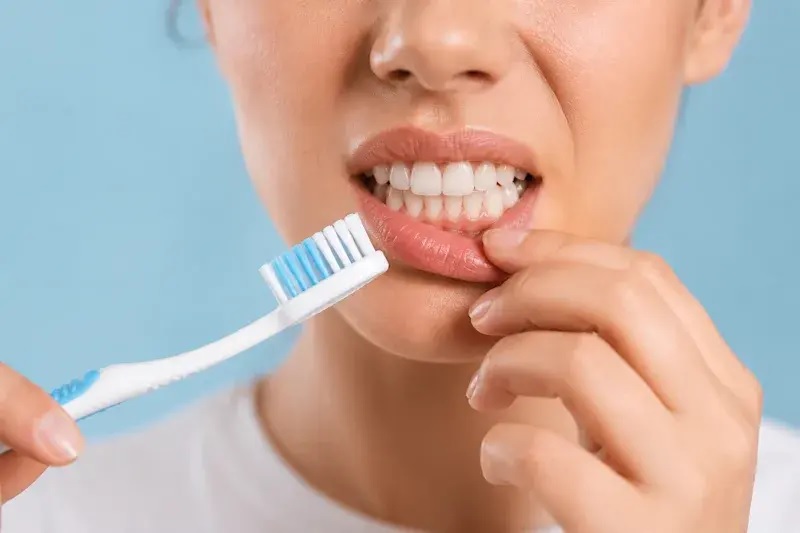

When we think of dental emergencies, we typically imagine sudden, dramatic events: a cracked molar from biting into a rogue popcorn kernel, or a sports injury that knocks a front tooth completely out of alignment. But the reality of dental degradation is far less cinematic. The vast majority of oral health issues are not the result of a single catastrophic failure, but rather the compounding interest of tiny, daily micro-traumas.
The human mouth is an incredibly resilient biological ecosystem, protected by enamel—the hardest substance in the human body. Yet, despite its strength, this environment is highly vulnerable to chronic mechanical friction and chemical erosion. Many of the habits we adopt in the pursuit of better oral hygiene or general wellness are, paradoxically, the exact mechanisms slowly dismantling our smiles. Understanding the subtle physiological impact of these common mistakes is the first step in shifting from a destructive daily routine to a truly protective one.
The Physics of Brushing: Why Force Does Not Equal Cleanliness
There is a deeply ingrained psychological association between aggressive scrubbing and cleanliness. When we encounter a stubborn stain on a kitchen counter, we apply more elbow grease. Unfortunately, millions of people apply this exact same logic to their teeth, treating plaque like ground-in dirt.
This approach is fundamentally flawed. Plaque is a remarkably soft biofilm. It does not require intense friction to dislodge; it simply requires a gentle, sweeping motion to disrupt its structure. When you brush with a heavy hand, particularly using a medium or hard-bristled toothbrush, you subject your mouth to chronic mechanical abrasion.
The Dual Threat of Enamel Wear and Gum Recession
Over months and years, aggressive brushing physically strips away the protective enamel layer. Once this enamel is thinned, the underlying layer—the dentin—becomes exposed, leading to severe temperature sensitivity. But the damage to the gums is often far worse. Gum tissue is delicate and not designed to withstand daily scouring. The friction causes the gums to physically retreat from the crown of the tooth, exposing the root.
Unlike the crown of the tooth, the root is not covered in hard enamel. It is covered in a much softer substance called cementum, which wears away almost instantly under the assault of a stiff toothbrush. To break this habit, dental professionals often recommend holding the toothbrush with just your thumb and two fingers, rather than a closed fist. This naturally limits the amount of torque you can apply to the delicate structures of your mouth.
Timing the Routine: When Brushing Becomes Destructive
The traditional advice to brush your teeth after every meal carries a massive, often unspoken caveat regarding timing. If you consume a breakfast consisting of coffee, orange juice, or fresh fruit, you are introducing a highly acidic environment into your mouth.
Acids lower the pH of your oral cavity, initiating a process called demineralization. During this window, the crystalline structure of your enamel temporarily softens. If you walk straight from the breakfast table to the bathroom sink and begin brushing, you are essentially taking a harsh abrasive brush to wet drywall. You are scrubbing away microscopic layers of softened enamel that will never grow back.
The biological defense mechanism against this acid attack is saliva. Saliva naturally buffers the acid and bathes the teeth in calcium and phosphate, effectively re-hardening the enamel. However, this remineralization process takes approximately thirty to forty-five minutes. The healthiest protocol is to aggressively rinse your mouth with plain water immediately after an acidic meal to neutralize the pH, and wait at least half an hour before picking up a toothbrush.
The Illusion of Flossing: Technique Over Frequency
Flossing is the cornerstone of preventative dental care, but executing the motion incorrectly can actually inflict more trauma than it prevents. Many individuals view flossing merely as a method for removing large pieces of food stuck between the teeth. Consequently, they snap the floss violently downward, pull it back out, and move to the next tooth.
This snapping motion acts like a miniature wire saw against the delicate interdental papilla—the small triangle of gum tissue between your teeth. Repeatedly slicing into this tissue causes chronic inflammation, bleeding, and eventual blunting of the gums, creating dark, empty triangles between the teeth.
True flossing is about plaque disruption, not just food removal. The proper technique requires wrapping the floss around the side of the tooth in a “C” shape and gently sliding it beneath the gumline into the sulcus—the shallow collar of space where the gum detaches from the tooth. You must sweep the floss up and down against the side of the tooth itself, acting as a squeegee to wipe away the bacterial film before it hardens into calculus.
The Hidden Acid Attack of Chronic Hydration Trends
Staying hydrated is a cornerstone of systemic health, but modern hydration trends often come at a severe cost to dental longevity. The rise of sipping lemon water, sparkling mineral waters, kombucha, and electrolyte sports drinks throughout the workday has created a silent epidemic of acid erosion.
In the realm of dental chemistry, the frequency of exposure is far more destructive than the total volume consumed. If you drink a highly acidic, sugary soda with your lunch and finish it in fifteen minutes, your mouth endures one distinct acid attack. Your saliva works for half an hour to neutralize the environment, and the mouth returns to a state of equilibrium.
However, if you place a slice of lemon in your water bottle and take a small sip every ten minutes from nine in the morning until five in the afternoon, your mouth never recovers. You are trapping your teeth in a continuous state of demineralization for eight consecutive hours. The enamel slowly dissolves, leading to translucent, easily chipped edges on the front teeth and severe overall sensitivity. If you choose to consume acidic or sugary beverages, they should be consumed in a compressed timeframe, ideally accompanied by a meal, leaving the rest of the day for plain, unflavored water.
The Misuse of Dental Architecture: Teeth as Utility Tools
Human teeth are biomechanically engineered for a highly specific set of tasks: tearing, shearing, and grinding food. They are not multi-tools. Yet, out of sheer convenience, people routinely use their teeth to tear open plastic packaging, bite off clothing tags, crack open nuts, or chew on pens and ice cubes.
Enamel is brittle. It handles the vertical forces of chewing food incredibly well, but it is highly susceptible to lateral torque and sudden, unyielding pressure. Chewing on ice cubes, for instance, pits two incredibly hard crystalline structures against one another. The rapid temperature change combined with the sheer mechanical force creates microscopic stress fractures deep within the tooth structure.
These micro-cracks do not heal. Over the years, as you continue to subject the tooth to daily chewing forces, these invisible fractures slowly propagate toward the nerve. Eventually, the tooth will suffer a catastrophic failure—often while eating something entirely innocuous, like a piece of soft bread—requiring a complex crown or an extraction.
The Danger of Abrasive Whitening Trends
The cultural obsession with blindingly white teeth has driven consumers away from safe, chemically formulated bleaching agents toward harsh, mechanical abrasives. The most notorious of these trends is the daily use of activated charcoal toothpaste or pure baking soda pastes.
Marketing campaigns suggest that these gritty substances polish away stains. What they are actually doing is sanding down the superficial layers of your enamel. While this might temporarily remove surface-level coffee stains, it is a disastrous long-term strategy. Enamel is naturally a translucent, milky white, while the dentin sitting immediately beneath it is deeply yellow.
As you aggressively scrub away your enamel with charcoal or heavy abrasives, the yellow dentin becomes highly visible. The tragic irony of abrasive whitening trends is that by trying to scrub your teeth white, you physically permanently thin the enamel, resulting in teeth that look irreversibly yellow and dull.
Protecting your oral health is rarely about grand, sweeping interventions. It is about auditing your daily routines and eliminating the subtle friction points. By understanding the chemistry of what you drink, mastering the mechanics of how you clean, and respecting the structural limitations of your enamel, you can preserve the integrity of your teeth and gums for a lifetime of comfortable function.

Comments are closed.