
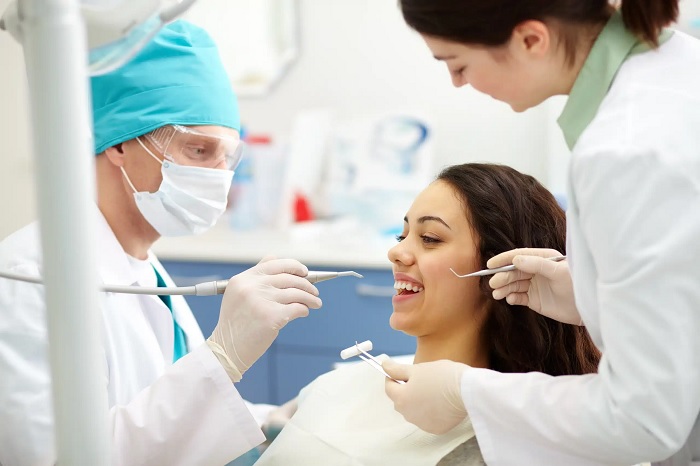

For many individuals, the dental chair is viewed purely as a destination of last resort, a place visited only when a sharp pain becomes intolerable or an aesthetic flaw demands correction. This deeply ingrained cultural perspective treats oral health as an isolated, mechanical discipline divorced from the rest of the human body. In reality, the oral cavity is a highly complex, dynamic biological ecosystem. It serves as the primary gateway to the respiratory and digestive tracts, and its condition is intimately tethered to our overall systemic health.
Viewing dentistry simply as the business of fixing cavities drastically minimizes its true scope. Professional dental care is a continuous, evolving necessity. The challenges your mouth faces at seven years old are fundamentally different from the threats it encounters at seventy. Understanding how these vulnerabilities shift over time reveals exactly why consistent, professional oversight is an absolute biological requirement at every single stage of life.
Early Childhood: Laying the Structural and Psychological Foundation
There is a persistent, dangerous misconception among many parents that deciduous teeth—commonly known as baby teeth—are functionally disposable. Because these teeth are destined to fall out, their maintenance is frequently treated with a sense of leniency. This misunderstanding ignores the profound structural role these primary teeth play in a child’s physiological development.
The Myth of Disposable Teeth
Baby teeth act as critical spatial placeholders for the permanent teeth developing beneath the gum line. If a child loses a primary tooth prematurely to severe decay, the surrounding teeth naturally drift into the empty space. When the permanent tooth eventually attempts to erupt, it finds its path blocked, leading to severe crowding, impaction, and the inevitable need for complex, highly expensive orthodontic intervention later in life. Furthermore, healthy primary teeth are essential for the proper development of speech articulation and the mechanical breakdown of food required for early childhood nutrition.
Beyond the physical architecture, early professional dental visits establish the oral microbiome and normalize the experience of clinical care. Dental anxiety is one of the leading causes of neglected oral health in adults. By introducing a child to a clinical environment when they are not in acute pain, dentists establish a psychological baseline of safety. The application of preventative measures, such as fluoride varnishes and dental sealants, fortifies developing enamel and stops early childhood caries before they can aggressively hollow out the tooth structure.
Adolescence: Navigating Hormonal Shifts and Biomechanical Changes
As a child transitions into their teenage years, the mouth undergoes a period of intense structural and chemical turbulence. This phase is characterized by the final eruption of permanent teeth, dramatic skeletal growth in the jaw, and profound hormonal fluctuations that alter the body’s inflammatory responses.
During puberty, surges in estrogen and progesterone drastically increase blood flow to the gingival tissues. This biological shift makes the gums hyper-responsive to the presence of plaque, frequently resulting in puberty gingivitis. A teenager with identical brushing habits to their ten-year-old self may suddenly experience red, swollen, and bleeding gums. Professional dental cleanings during this stage are vital to strip away hardened calculus that home brushing simply cannot remove, mitigating this aggressive inflammatory response before it damages the underlying bone.
The Orthodontic Window
Adolescence is also the critical window for biomechanical correction. Orthodontic treatment is frequently dismissed as a purely cosmetic endeavor, but straight teeth are fundamentally healthier teeth. Malocclusion—the misalignment of the upper and lower dental arches—creates uneven distribution of bite force. Over time, this uneven pressure grinds down enamel, fractures molars, and places severe strain on the temporomandibular joint (TMJ). By utilizing braces or clear aligners to correct the bite architecture, dental professionals prevent decades of chronic jaw pain and catastrophic structural wear.
Additionally, late adolescence brings the development and potential eruption of third molars, or wisdom teeth. Because the modern human jaw is frequently too small to accommodate these final molars, they often become impacted against adjacent teeth, creating deep periodontal pockets where aggressive bacteria thrive. Routine panoramic X-rays allow oral surgeons to track the trajectory of these teeth and intervene before they destroy the roots of healthy neighboring molars.
Adulthood: Chronic Stress and the Systemic Connection
When an individual enters adulthood, the focus of professional dental care shifts from managing growth and development to preserving structural integrity and managing the compounding wear and tear of daily life. Adulthood is when the undeniable link between the mouth and the rest of the body becomes most apparent.
The Mouth-Body Ecosystem
The human mouth harbors hundreds of different species of bacteria. While many are beneficial, others are highly pathogenic. When plaque is allowed to harden into tartar beneath the gum line, it triggers a chronic immune response known as periodontal disease. This is not merely a localized infection. The inflamed, bleeding gums act as an open doorway, allowing aggressive oral bacteria to enter the bloodstream and travel throughout the body.
Extensive clinical data has established a bidirectional relationship between periodontal disease and severe systemic conditions. The chronic inflammation originating in the gums actively exacerbates the hardening of the arteries, significantly increasing the risk of cardiovascular disease, heart attacks, and strokes. Furthermore, severe gum disease makes it incredibly difficult for diabetics to control their blood sugar, while uncontrolled diabetes simultaneously accelerates the destruction of the jawbone. A professional dental hygienist does not just clean teeth; they are actively managing systemic inflammation that threatens the entire cardiovascular and endocrine systems.
The Physical Toll of Psychological Stress
Adulthood also introduces the severe physical consequences of psychological stress, most notably through bruxism, or chronic teeth grinding. Often occurring unconsciously during sleep, bruxism subjects the teeth to hundreds of pounds of continuous pressure. Enamel is the hardest substance in the human body, but it is brittle. Chronic grinding creates micro-fractures, flattens the chewing surfaces, and exposes the highly sensitive inner dentin. Dentists are trained to spot the subtle, early wear patterns of bruxism and can fabricate custom occlusal guards that absorb this immense force, protecting the teeth from shattering under the weight of daily stress.
The Senior Years: Preserving Function and Defending Against Decay
As the body ages into the senior years, the oral cavity faces an entirely new set of threats. Modern dentistry has allowed people to retain their natural teeth far longer than previous generations, but keeping those teeth functional requires hyper-vigilant professional maintenance.
One of the most profound challenges for older adults is xerostomia, or chronic dry mouth. This condition is rarely a natural byproduct of aging; rather, it is a highly common side effect of the prescription medications required to manage blood pressure, cholesterol, depression, and pain. Saliva is the mouth’s primary defense mechanism. It neutralizes the acidic byproducts of bacteria and constantly washes the teeth in remineralizing calcium and phosphates. When saliva production plummets, the mouth becomes highly acidic, and tooth decay accelerates at a terrifying pace.
In seniors, this decay frequently attacks the exposed roots of the teeth as the gums naturally recede over time. Root structure lacks the protective armor of enamel, making it exceptionally vulnerable. Regular professional oversight is required to apply prescription-strength fluoride treatments and catch root decay before it reaches the nerve.
Furthermore, the retention of natural, functional teeth is directly tied to a senior’s nutritional intake and overall longevity. When chewing becomes painful due to untreated decay or ill-fitting dentures, older adults instinctively gravitate toward soft, highly processed carbohydrates, abandoning the fibrous vegetables and lean proteins required to maintain muscle mass and cognitive health. Recent neurological research is even exploring the startling presence of specific periodontal bacteria in the brains of Alzheimer’s patients, suggesting that defending the mouth from chronic infection may be a critical component of defending the brain against cognitive decline.
The Invisible ROI of Preventative Maintenance
The ultimate value of professional dental care across a lifespan lies in its preventative nature. Dental enamel does not possess the ability to heal itself. Once a cavity forms or a millimeter of bone is lost to gum disease, it is gone forever. Medical doctors can prescribe antibiotics to cure a systemic infection, but a dentist must physically rebuild a damaged tooth using synthetic materials.
Because of this biological reality, reactive dentistry—waiting until something breaks to seek care—is exponentially more expensive, painful, and invasive than preventative maintenance. A routine professional cleaning and an annual set of bitewing X-rays are incredibly inexpensive compared to the financial devastation of root canals, ceramic crowns, and titanium dental implants.
Consistent professional dental care is the lifelong maintenance of a critical biological system. By treating the oral cavity with the exact same clinical respect and proactive vigilance we apply to the heart, the lungs, and the brain, we do not just preserve our ability to chew and smile. We protect our systemic vitality, our psychological confidence, and our overall quality of life from the very first tooth to our final years.

Comments are closed.